Little Tibet: who the Balti are
Baltistan — the broad valleys around Skardu, Shigar and Khaplu where the Indus carves through the Karakoram — is home to the Balti people, and their story is written in their speech. Balti is a Tibetan language, and an unusually archaic one: it preserves sounds and forms that vanished from Lhasa Tibetan centuries ago, which is why linguists treat it as a living window into old Tibetan.
The Tibetan inheritance runs far beyond words. It shows in butter tea and barley flour, in place names ending in -tse and -khar, in the wood-and-stone architecture of the old mosques and in faces and folk traditions — all of which earned Baltistan its enduring nickname, Little Tibet.
Centuries of Islam, Silk Road trade and ties to Kashmir layered new identities over that Tibetan base without erasing it. Today's Balti culture is precisely this blend: Tibetan roots, Muslim faith, mountain pragmatism and a hospitality tradition that startles first-time visitors with its warmth.
The Balti language and the revival of its script
Balti is the daily language of hundreds of thousands of people across Skardu, Shigar, Khaplu, Kharmang and the Hushe Valley, with closely related Purgi spoken across the border in Kargil and Ladakh. It carries an oral literature of epics, proverbs and songs — including local tellings of the Tibetan Epic of King Gesar — passed down through long winter evenings.
For centuries Balti was written, when written at all, in the Persian-derived script used for Urdu. A cultural movement in Baltistan is now working to revive the old Tibetan script, locally called Yige, in which the language was written before Islam arrived; you'll spot it on shop signs, cultural organisations' logos and schoolbooks produced by local activists.
Visitors don't need a word of Balti to get by — Urdu and increasingly English are spoken throughout the tourist towns — but learning a greeting or a thank-you in Balti is met with delight, and any guide will happily be your tutor on the long drives.
Faith in Baltistan: Shia and Noorbakhshi traditions
Islam reached Baltistan from Kashmir and Central Asia in the fourteenth and fifteenth centuries, carried by Sufi missionaries — most famously Mir Sayyid Ali Hamadani, whose name is attached to the region's oldest mosques. Most Baltis today are Shia Muslims, while a significant community, concentrated around Khaplu and the Hushe Valley, follows the Noorbakhshi tradition, a Sufi order that survives in few other places in the world.
Noorbakhshi practice gives eastern Baltistan a distinctive devotional culture of khanqahs — Sufi lodges that double as community halls — and a heritage of tolerance the community is proud of. The grand wooden Khanqah-e-Mualla buildings in Khaplu and Shigar are among the finest timber structures in the Karakoram.
For travellers, religious life here is observed rather than imposed: dress modestly, ask before entering mosques or khanqahs (men are generally welcome; arrangements for women vary by site) and avoid photographing worshippers without permission. During Muharram, the Shia mourning month, towns are quieter and music is set aside — a good time for mountains, a respectful time for restraint in town.
Wooden palaces and seven-hundred-year-old mosques
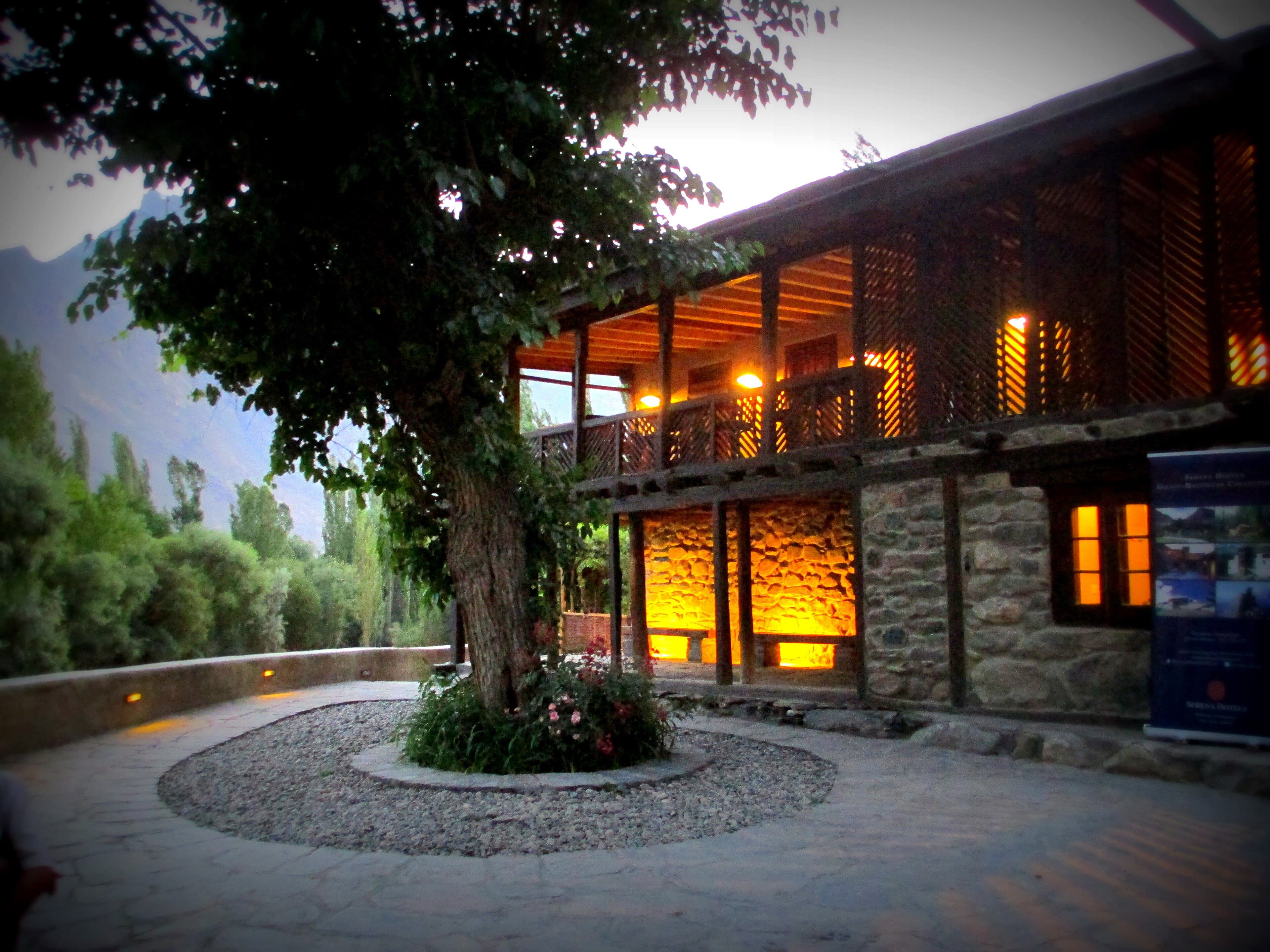
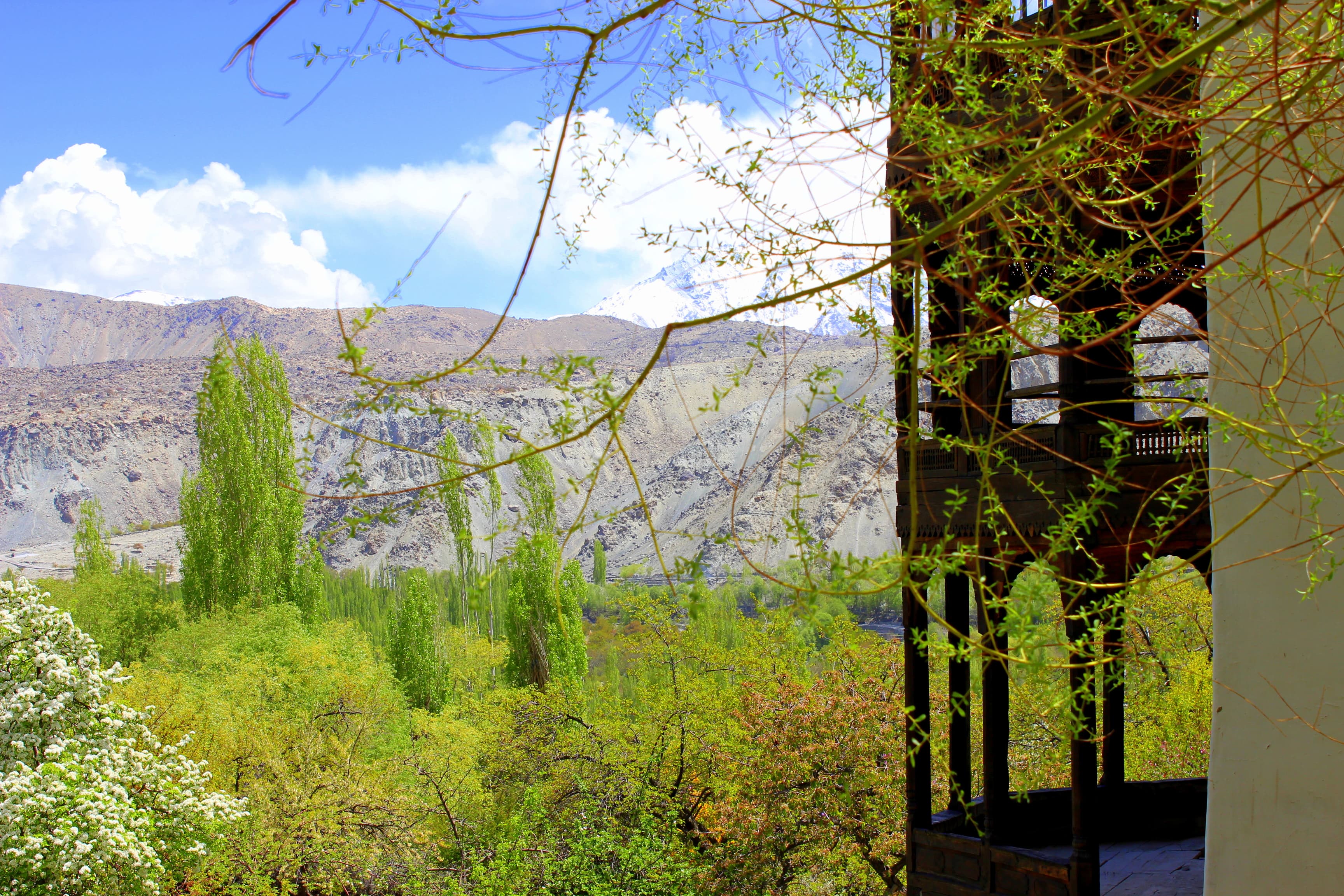
Baltistan keeps some of Pakistan's most rewarding architecture. Khaplu Palace, built in the 1840s for the local raja, is the showpiece — a four-storey blend of Tibetan, Kashmiri and Central Asian styles restored by the Aga Khan Trust for Culture and now run as a heritage Serena hotel where anyone can wander or stay. Shigar Fort, the seventeenth-century Fong Khar or palace on the rock, received the same treatment and the same second life.
The mosques are older still. The Chaqchan Mosque in Khaplu, traditionally dated to around 1370 and associated with the region's conversion to Islam, layers Tibetan-style timber galleries over Persian geometry; the smaller Amburiq Mosque in Shigar, said to be among Baltistan's first, has been beautifully conserved and welcomes visitors.
What makes these buildings special is that they remain in use — village congregations, wedding photographs in palace courtyards, children racing through khanqah gardens. Hire a local guide in Shigar or Khaplu old town: the carved lintels, defensive watchtowers and royal apartments all have stories no plaque tells.
Village life: Skardu, Shigar, Khaplu, Hushe and Machulo
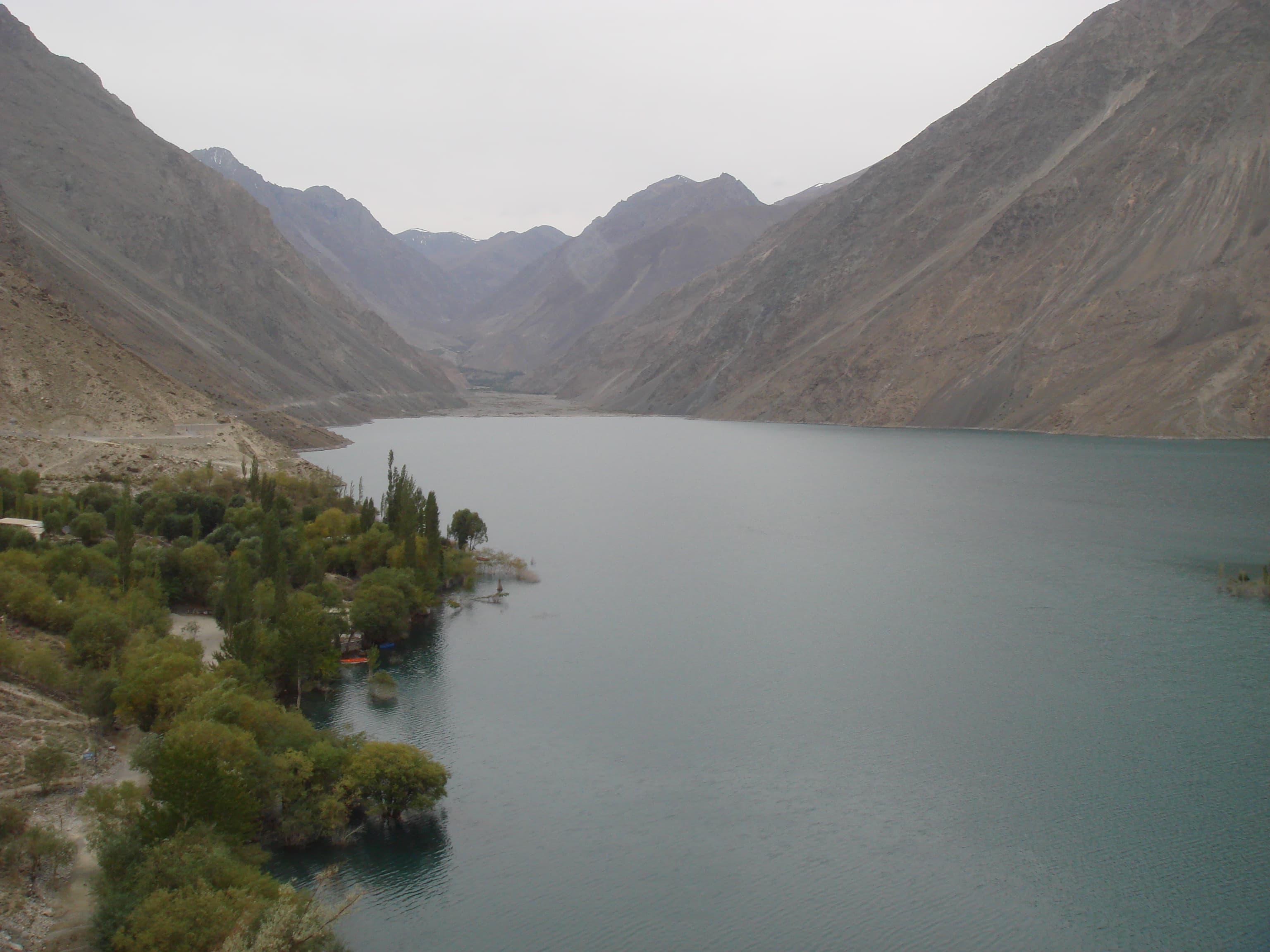
Skardu is Baltistan's capital and feels like it: a sprawling bazaar town on an Indus floodplain ringed by rock peaks and sand dunes, where expedition trucks load for K2 beside apricot sellers and gemstone dealers. It's the region's hub rather than its soul — for that, head into the side valleys.
Shigar, an hour north, is an oasis of orchards and walled lanes on the road to Askole and the Baltoro glaciers; its old town rewards aimless walking. Khaplu, two and a half hours east up the Shyok River, is arguably Baltistan's loveliest town — terraced, tree-lined and crowned by its palace and khanqah, with the serrated Masherbrum range filling the skyline.
Beyond Khaplu the Hushe Valley climbs toward Masherbrum itself, its villages famous as the home of many of Pakistan's strongest high-altitude porters and climbers. Machulo, on a balcony above the valley, has become a favourite village stay for its K2-to-Masherbrum panoramas and its community-run guesthouses — village Baltistan at its most welcoming.
Balti food: dumplings, buckwheat and butter tea
Balti cuisine is mountain food refined over centuries, and it deserves far more fame than it has. The star is mamtu — steamed dumplings stuffed with minced meat and onion, cousins of the momo and mantu found from Lhasa to Kabul — usually eaten by the dozen at family gatherings. Balay is the warming noodle soup of winter; prapu serves buckwheat noodles under a rich walnut or apricot-kernel sauce.
Buckwheat and apricots anchor everything. Kisir, a buckwheat pancake folded around walnut paste or served with apricot oil, is the classic village breakfast; apricots appear fresh, dried, as juice, as soup, as oil and as phading sweets. And then there is paiyu cha — salted butter tea, churned pink and drunk in quantities that mark you as either a guest or family.
In Skardu and Khaplu, a handful of restaurants now serve traditional Balti menus, and heritage hotels offer Balti food nights; in villages, homestay kitchens are the real thing. Say yes to everything once — especially the butter tea, which improves dramatically somewhere around the third cup.
Apricot country: orchards and the drying season
Baltistan produces some of the finest apricots on Earth, and the fruit structures the whole agricultural year. Blossom turns Shigar, Khaplu and the Indus villages white and pink in early April — Baltistan's quieter answer to Hunza's famous cherry blossom — and the harvest runs through high summer.
Late July and August are the spectacle: rooftops, courtyards and flat stones across every village disappear under carpets of orange fruit drying in the sun, while families crack kernels for oil and women sort grades for market. It is one of the great photographic subjects of northern Pakistan — and one where asking first matters, since the rooftops are people's homes.
Dried apricots, kernel oil and walnut products make Baltistan's best souvenirs, sold in Skardu's bazaar and directly from farm cooperatives in Shigar and Khaplu. Buying from village stalls keeps the money in the orchards that make the landscape what it is.
Polo, music and the memory of a Balti queen
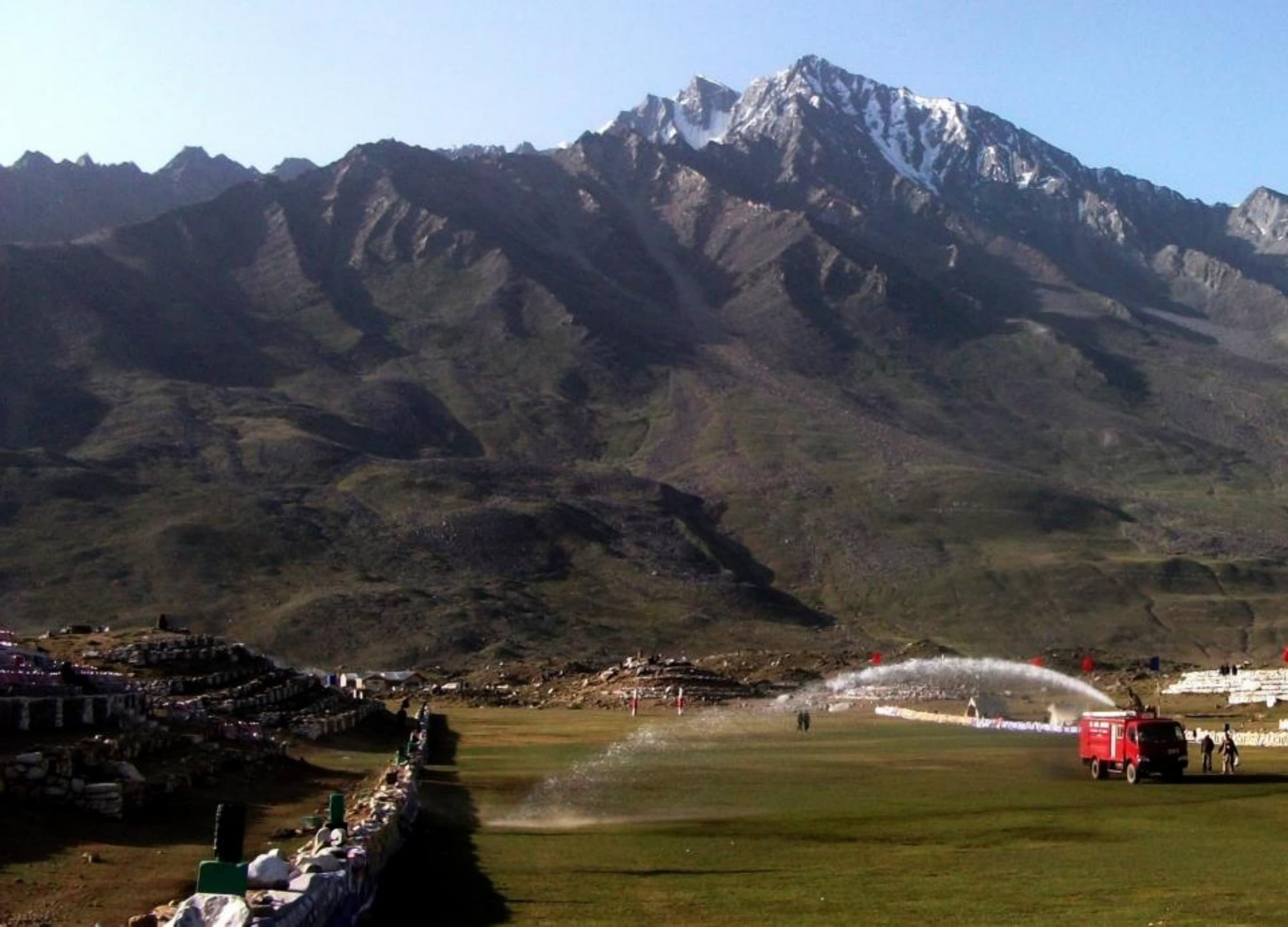
Polo is Baltistan's sporting passion, played hard and fast on village grounds long before the British codified the game — indeed the English word polo most likely comes from the Balti word pulu, meaning ball. Local matches in Skardu, Shigar and Khaplu are raucous community events with drum-and-shawm bands driving the play; if you hear surnai music on an afternoon breeze, follow it.
Balti music and courtly culture carry a Mughal-era memory. In the early seventeenth century Baltistan's greatest ruler, Ali Sher Khan Anchan, forged ties with the Mughal court, and tradition credits his queen Gul Khatoon — remembered in Balti as Mindoq Gyalmo, the Flower Queen — with patronising gardens, crafts and musical forms whose echoes survive in Balti court tunes played to this day.
Etiquette in Baltistan mirrors the rest of the region with slightly more conservatism than Hunza: modest dress, women travellers carrying a scarf for mosques and shrines, and patience with the slower, courtlier rhythm of Balti hospitality. Guests are honoured here in ways that can feel ceremonial — accept the best cushion; arguing about it is futile.
Questions, answered
Why is Baltistan called Little Tibet?
Because its people, the Baltis, speak an archaic Tibetan language and preserve Tibetan-rooted food, architecture and traditions — butter tea, barley dishes, timber mosques and place names — layered with five centuries of Islam. The blend gives Baltistan a culture found nowhere else in Pakistan.
What language is spoken in Skardu and Baltistan?
Balti, a conservative Tibetan dialect, is the everyday language, with Urdu universally understood and English common in tourism. A local cultural movement is reviving the old Tibetan-derived Yige script, which you'll see on signs and schoolbooks around Skardu and Khaplu.
What food should I try in Baltistan?
Start with mamtu (steamed meat dumplings), balay noodle soup, prapu buckwheat noodles in walnut sauce and kisir buckwheat pancakes, then anything involving apricots — soup, juice, dried fruit and kernel oil. Finish with paiyu cha, the famous salted butter tea.
Is Khaplu Palace open to visitors?
Yes. The 1840s palace was restored by the Aga Khan Trust for Culture and operates as a heritage hotel with a museum section, so day visitors can tour it for a small fee and anyone can stay overnight. Nearby Shigar Fort runs on the same model.
Did the word polo really come from Balti?
Most likely, yes — the standard etymology traces polo to the Balti word pulu, meaning ball. The game has been played on village grounds across Baltistan and the wider region for centuries, and local matches in Skardu, Shigar and Khaplu remain fast, loud community festivals.