I have spent twenty years convincing teenagers to practise. In Gulmit I met a room full of them who needed convincing to stop. Our guide had mentioned, almost in passing, that the village had a music school — Bulbulik, named for the nightingale — where Wakhi children learn the songs of their great-grandparents. I asked if we could visit. He smiled like a man who had been waiting all week for someone to ask.
The school sits in the old part of Gulmit, and we heard it before we saw it: a rubab being tuned, a drum testing the room, a flute running up and down a scale that didn't resolve where my conservatory-trained ear expected. Inside, a dozen students sat in a horseshoe — girls and boys both, which the teachers mentioned with quiet emphasis — with instruments older than some of their houses.
The teachers are the kind of men my profession produces everywhere: patient, exacting, allergic to applause for anything less than the real thing. They explained, over the first of several teas, what the school is actually for. Wakhi is spoken by a small community scattered across four countries, and its music lived in the memories of old people. A song not taught is a song with a lifespan. So a decade ago the village began writing them down, recording the elders, and putting instruments into young hands.
Then they played, and the lecture became unnecessary. The old songs are narrow and deep — melodies that circle and return, words about pastures, absence, mountains, love — and the students attacked them with the specific joy of teenagers who have decided that the old thing is, against all marketing, the cool thing. A sixteen-year-old played a rubab solo with his eyes shut. A girl of perhaps fourteen sang a verse alone, and one of the teachers turned away to fix something on a shelf that did not need fixing.
Between songs I asked, through our guide, the question I'd been carrying: why do they come? Their friends have phones; the world's whole songbook is in their pockets. The answers were unsentimental. Because my grandfather knew this one. Because nobody else in the world can play it if we don't. Because it sounds like here.
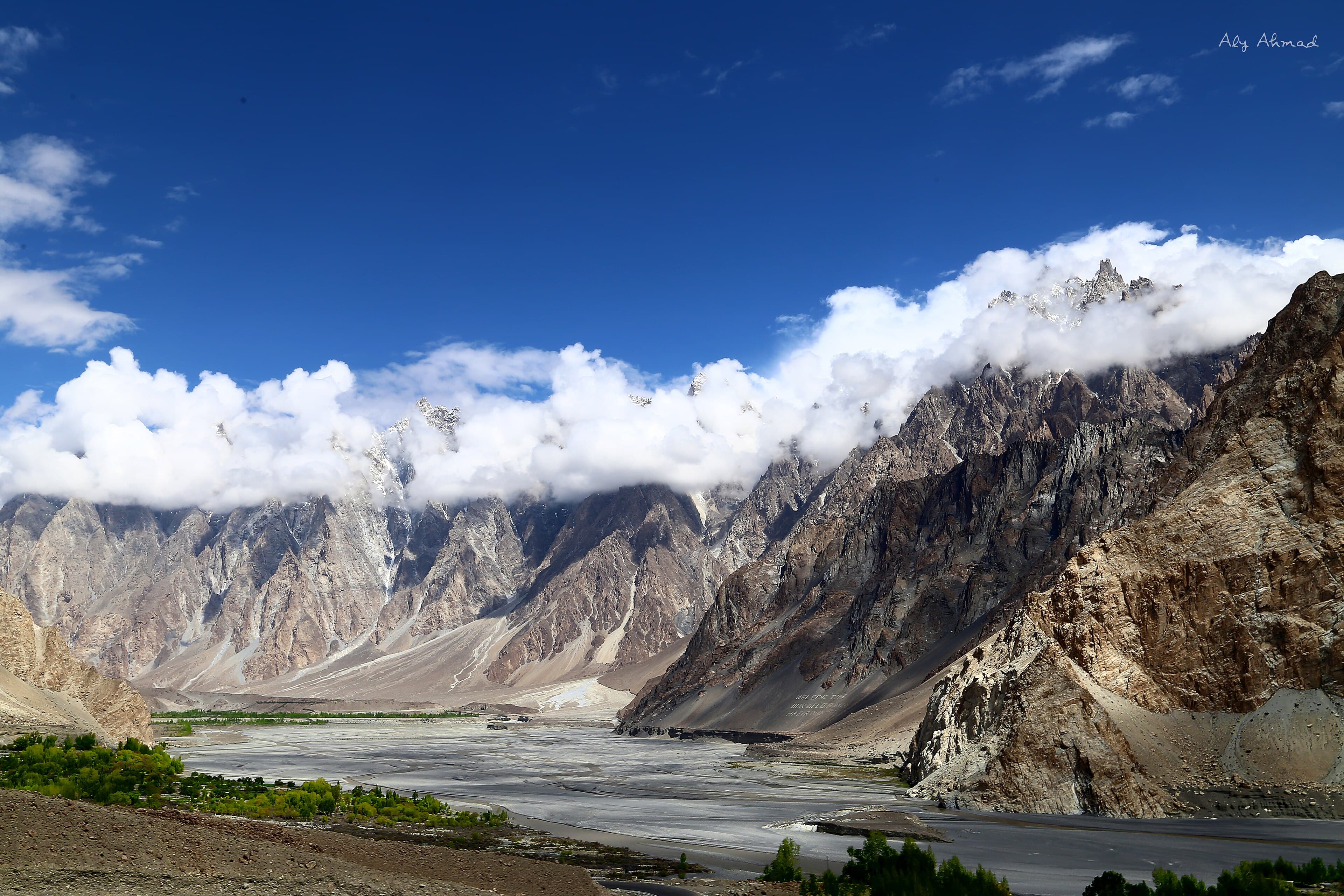
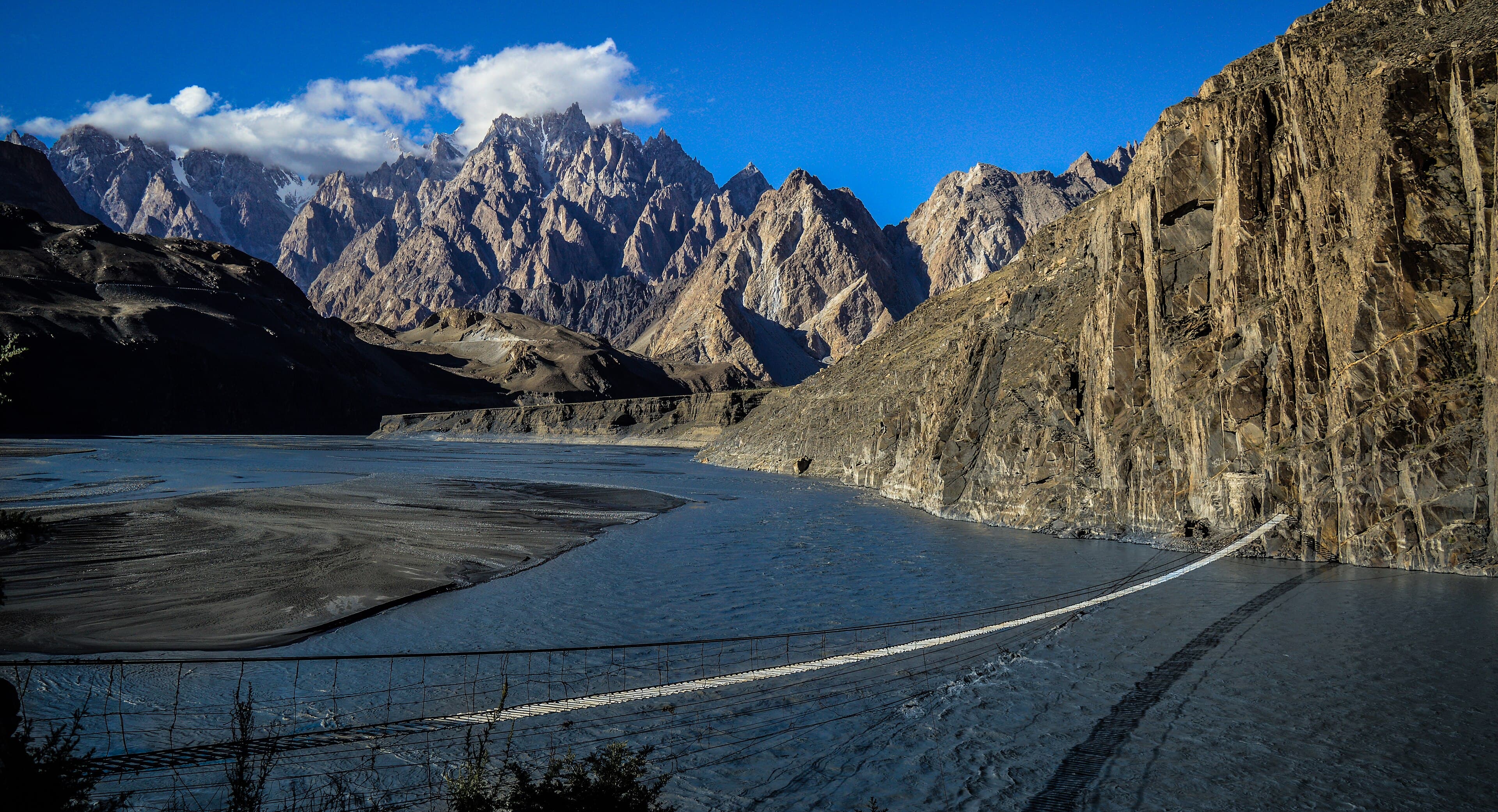
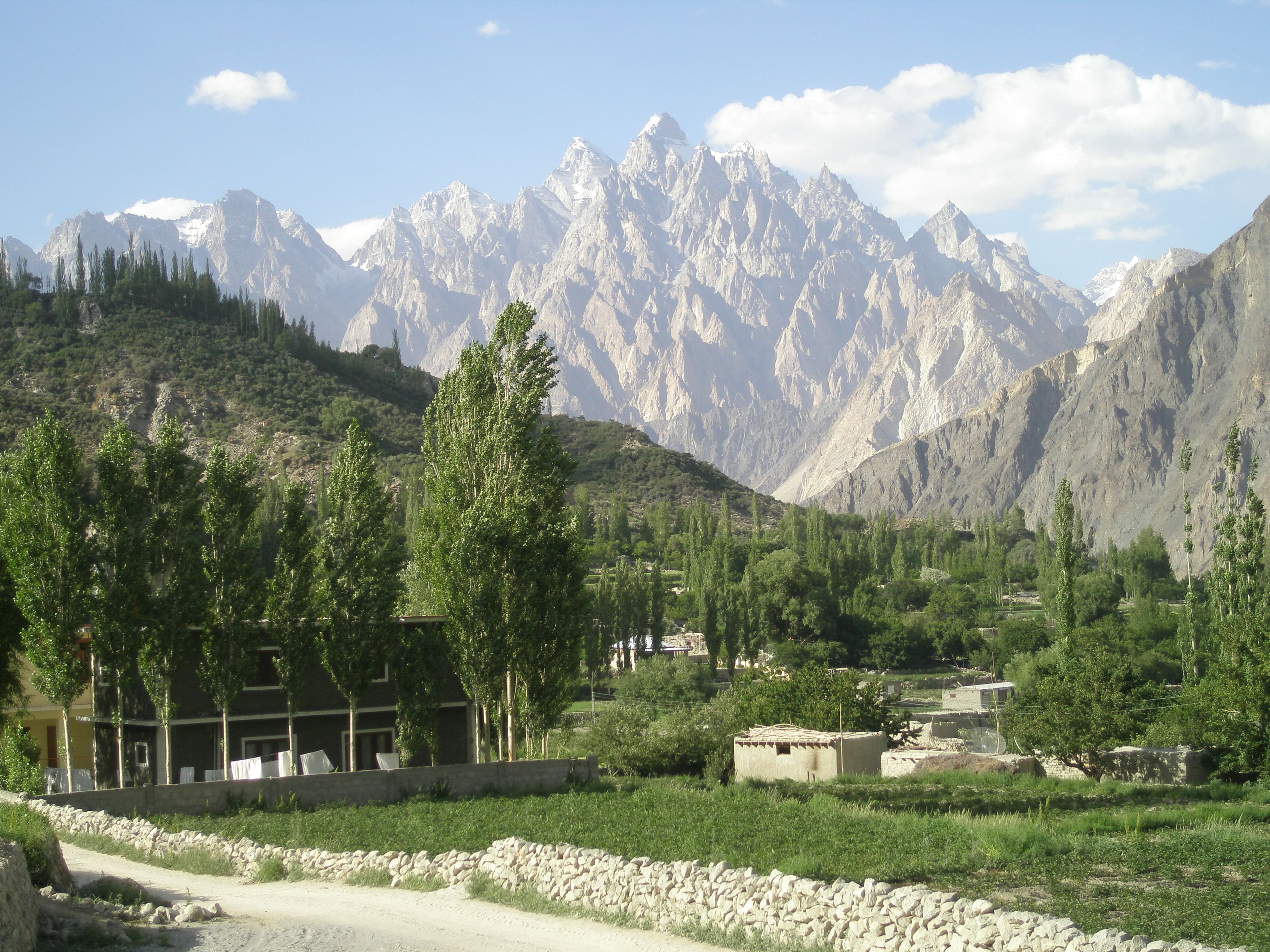
We stayed two hours past the visit our itinerary had budgeted, and the evening ended the way good music evenings end everywhere — instruments passed around, my hopeless attempt at the rubab received with generous laughter, addresses exchanged, one more tea that was three more teas. Outside, the Passu Cones stood in the last light at the end of the lane, as if the landscape itself had been listening at the window.
Walking back, our guide said something I have repeated to every musician I know. Tourists come for the mountains, he said, but the mountains don't need anything from us. The songs do. If you find yourself in Gojal of an evening, ask for Bulbulik. Bring ears, leave a donation, and let a teenager show you what six hundred years sounds like when it decides to keep going.
“Because nobody else in the world can play it if we don't. Because it sounds like here.”