A markhor, Pakistan's national animal, with corkscrew horns on a Gilgit-Baltistan cliff

Travel answers

Trophy Hunting in Pakistan: How the Permit System Works

The short answer

Trophy hunting in Pakistan operates as a regulated, CITES-recognized community conservation program. Each year a small number of permits — for markhor, Himalayan ibex and blue sheep — are auctioned, with markhor permits regularly selling for well over $100,000. Roughly 80% of each fee goes to the village conservancy that protects the herds, populations have recovered strongly, and the season runs November to April.

How the permit system works

Pakistan's program inverts the usual poaching economics: instead of a dead markhor being worth a little to one poacher, a living population becomes worth a fortune to an entire village. Provincial wildlife departments auction a strictly limited number of permits each autumn — under CITES rules, Pakistan's annual export quota for markhor trophies is just twelve nationally — and bidding among international hunters is fierce. Markhor permits have repeatedly sold for well over $100,000 each, with record bids far higher; ibex and blue sheep permits go for much less.

Roughly 80% of each permit fee is paid to the community conservancy where the hunt takes place, with the remainder going to the government. Hunts target only old males past their breeding prime, identified and escorted by community game guards, and the season runs from November to April, when herds are on lower, accessible slopes.

What the money does — and the results

In the valleys of Gilgit-Baltistan that pioneered this model in the 1990s, permit revenue funds village game guards' salaries, schools, clinics, micro-loans and infrastructure — making every household a stakeholder in keeping poachers out. The conservation results are the program's strongest argument: markhor numbers have recovered dramatically, and in 2015 the IUCN downlisted the species from Endangered to Near Threatened, citing community conservation in Pakistan as a key driver.

The model has an honest ethical debate around it, and we don't pretend otherwise: many people are uncomfortable that conservation is funded by killing individual animals, however old, and critics argue photo-tourism could one day replace hunting revenue. Supporters answer with the numbers — recovered herds, funded villages, near-zero poaching in conservancies. For visitors, the practical takeaway is happier: thanks to this program, your chances of actually seeing markhor and ibex on a winter wildlife trip in Hunza or Astore have never been better.
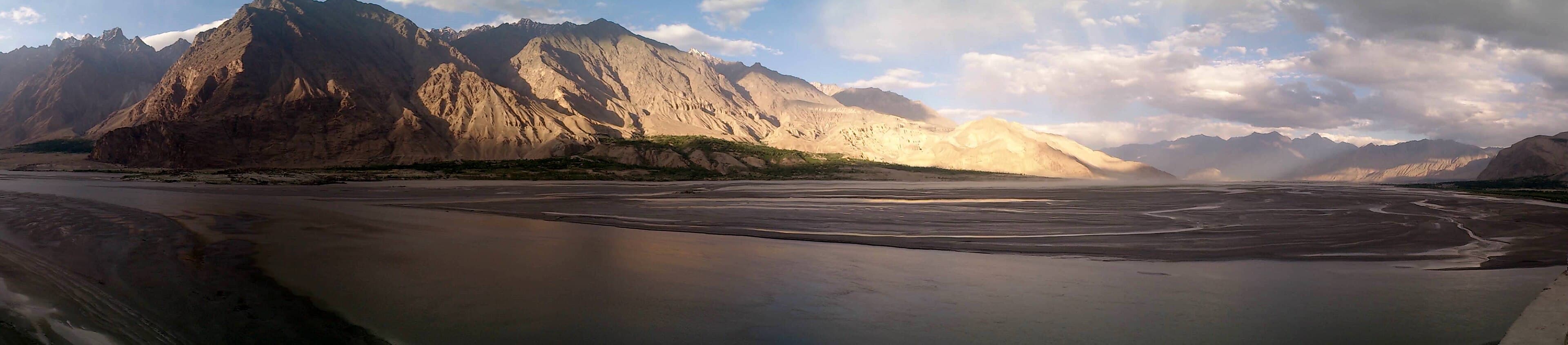
See these places

Tours that take you there

Keep researching

Questions, answered

How much does a markhor hunting permit cost in Pakistan?

Permits are auctioned annually and markhor licences regularly exceed $100,000, with record bids substantially higher. Himalayan ibex and blue sheep permits cost far less. Pakistan's CITES export quota is only twelve markhor trophies per year nationwide.

Where does the trophy hunting money go?

About 80% of each permit fee goes to the community conservancy hosting the hunt — funding game guards, schools, clinics and village projects — with the remainder to the provincial government.

Has trophy hunting actually helped conservation in Pakistan?

The evidence says yes: markhor populations recovered enough for the IUCN to downlist the species from Endangered to Near Threatened in 2015, and poaching in community conservancies has fallen to near zero. The ethical debate continues, but the population numbers are not in dispute.

When is the trophy hunting season in Pakistan?

November to April, when markhor, ibex and blue sheep descend to lower winter slopes. The same months are the best season for non-hunting wildlife watching in Gilgit-Baltistan.

Can tourists see markhor without hunting?

Yes — winter wildlife trips in community conservation areas around Hunza, Nagar and Astore offer very good chances of spotting markhor and ibex with local game guards and spotting scopes, no rifle involved.

Start the conversation

Ready to plan your journey north?

Tell us your dates, interests and pace — we'll design a private itinerary with local guides, reliable 4x4s and hand-picked stays.