Teens and young travelers
Adventure
The Karakoram, with your pulse turned up
If your idea of a good trip involves rope bridges, cliff-edge viewpoints and a sky full of stars, Gilgit-Baltistan delivers on a scale few places can match. This is a region where the adventure starts with the roads themselves — the Karakoram Highway threads gorges beneath 7,000-metre peaks, and the side tracks to Fairy Meadows and Hopper Glacier are legends in their own right.
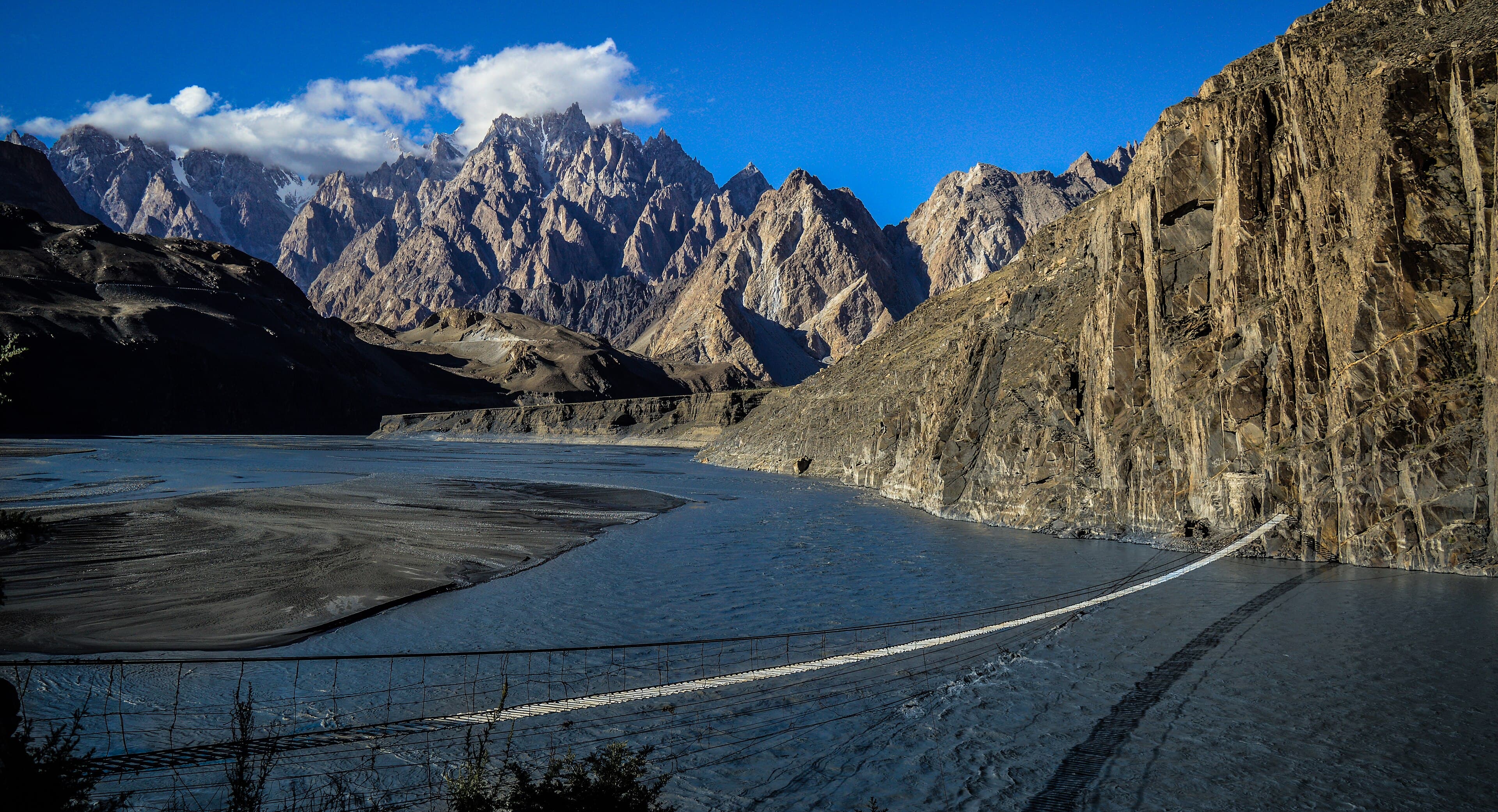
The icon is the Hussaini Suspension Bridge in upper Hunza: a long span of cables and spaced wooden planks swaying above the grey Hunza River, with the Passu Cones spiking the skyline behind. It's safer than it looks and more thrilling than any photo suggests. Nearby, paragliding operators launch tandem flights over the Hunza Valley in season, turning Karimabad's terraces and Attabad's turquoise water into a map below your feet.
Then there's the night you'll talk about for years: camping at Fairy Meadows after the white-knuckle jeep ride from Raikot Bridge, watching the Raikot face of Nanga Parbat catch the last light, then staying up as the Milky Way arcs over an 8,126-metre summit. At 3,300 m with almost zero light pollution, it's one of the best stargazing spots in Asia.
Adventure itineraries stitch these together with glacier walks at Passu and Hopper, sunrise missions to cliff viewpoints like Eagle's Nest, and nights that swap hotels for tents whenever the weather allows. You don't need technical skills — just reasonable fitness and an appetite for the dramatic.
What this experience includes
Cross the Hussaini Suspension Bridge
Pick your way across widely spaced planks high above the Hunza River, with the Passu Cones behind you and Borith Lake a short walk beyond. Often called one of the world's most thrilling footbridges — and crossed daily by local villagers.
Ride the Fairy Meadows jeep track
Local 4x4s climb a shelf road carved into a gorge wall from Raikot Bridge — widely rated among the world's wildest drives — followed by a 2–3 hour hike to the meadows facing Nanga Parbat.
Tandem paragliding over Hunza
In season, certified tandem pilots fly from launch points above the valley, soaring over terraced villages with Rakaposhi and Ultar Sar on the horizon. No experience needed; flights depend on weather windows.
Walk on the Hopper and Passu glaciers
Short guided hikes put you on living ice: the white seracs of Passu Glacier and the churned black ice of Hopper Glacier in Nagar are both reachable in a half day from Karimabad.
Stargazing and astrophotography at Fairy Meadows
Camp at 3,300 m under some of Pakistan's darkest skies. On clear nights the Milky Way rises directly over Nanga Parbat — bring a tripod, or just lie back by the campfire.
Cliff viewpoints at dawn
Sunrise jeep runs to Eagle's Nest above Duikar put you on a cliff terrace as first light hits a 270-degree wall of peaks — the classic Hunza panorama, earned before breakfast.
Where we take you
bridge · 2,550 m
Hussaini Suspension Bridge
The plank-and-cable crossing that made upper Hunza internet-famous
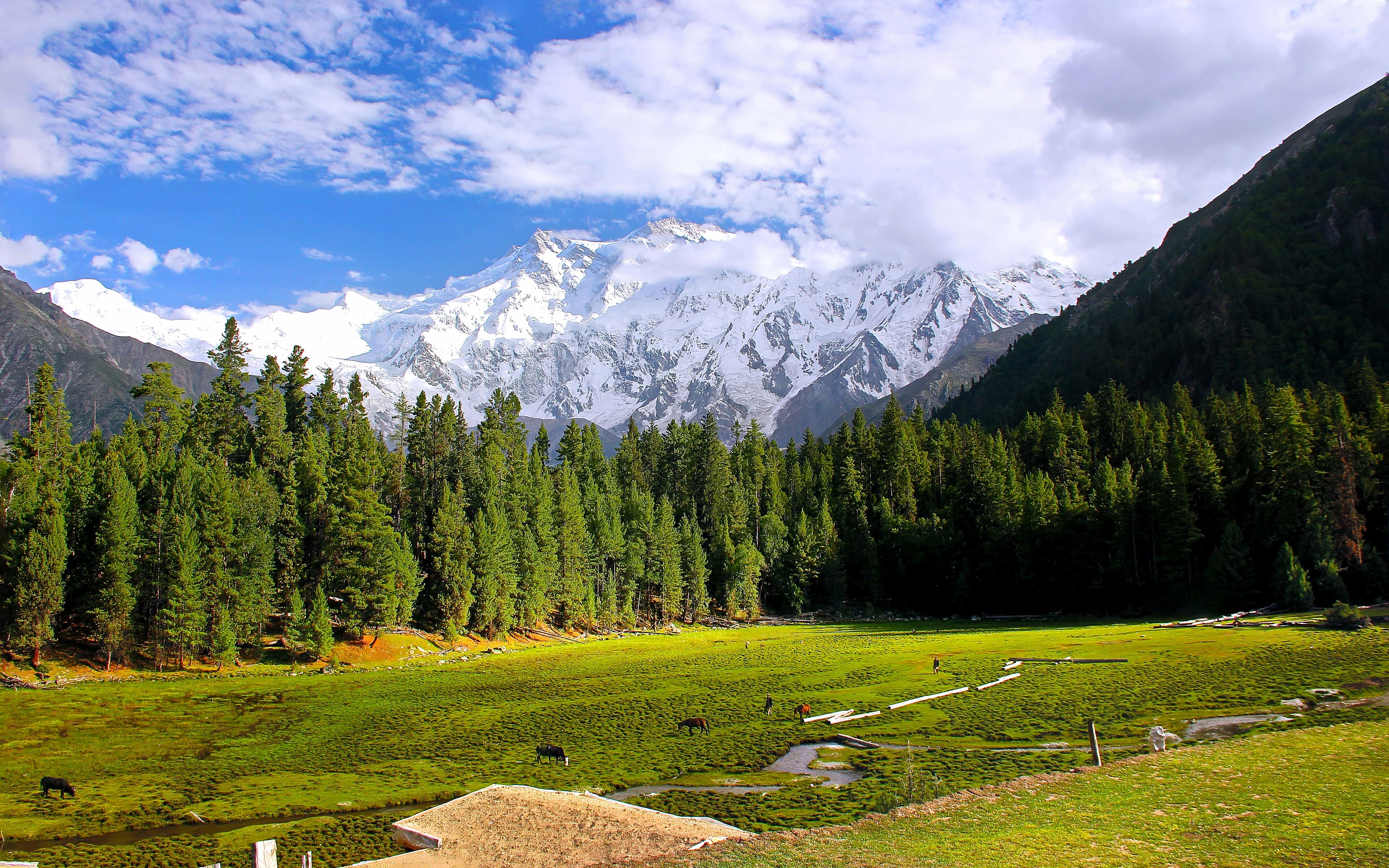
meadow · 3,300 m
Fairy Meadows
The grassland the German climbers called Märchenwiese
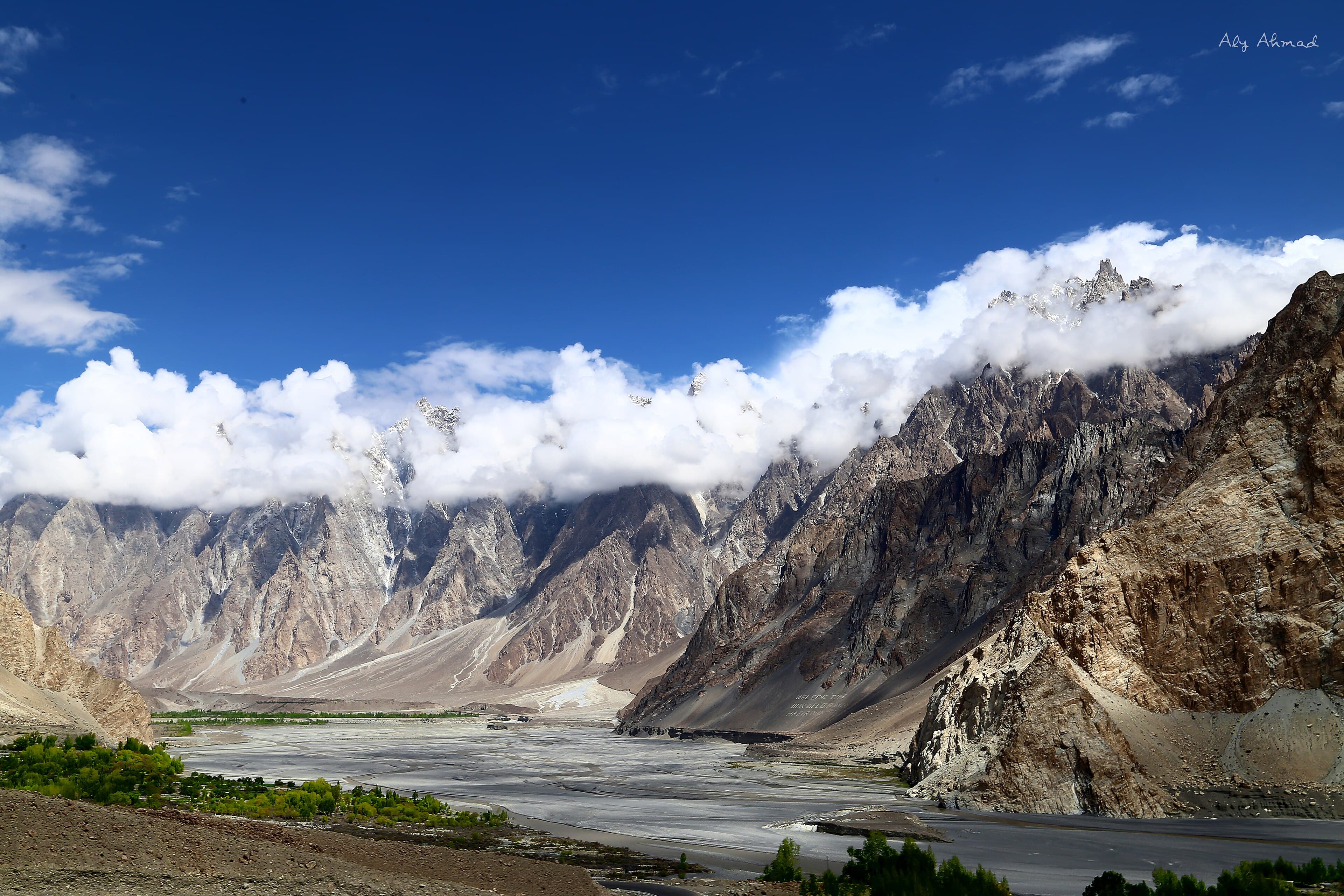
peak · 6,106 m
Passu Cones
The jagged cathedral skyline that defines the Karakoram Highway
glacier · 2,700 m
Hopper Glacier
A churning river of ice at the end of a half-day drive from Karimabad
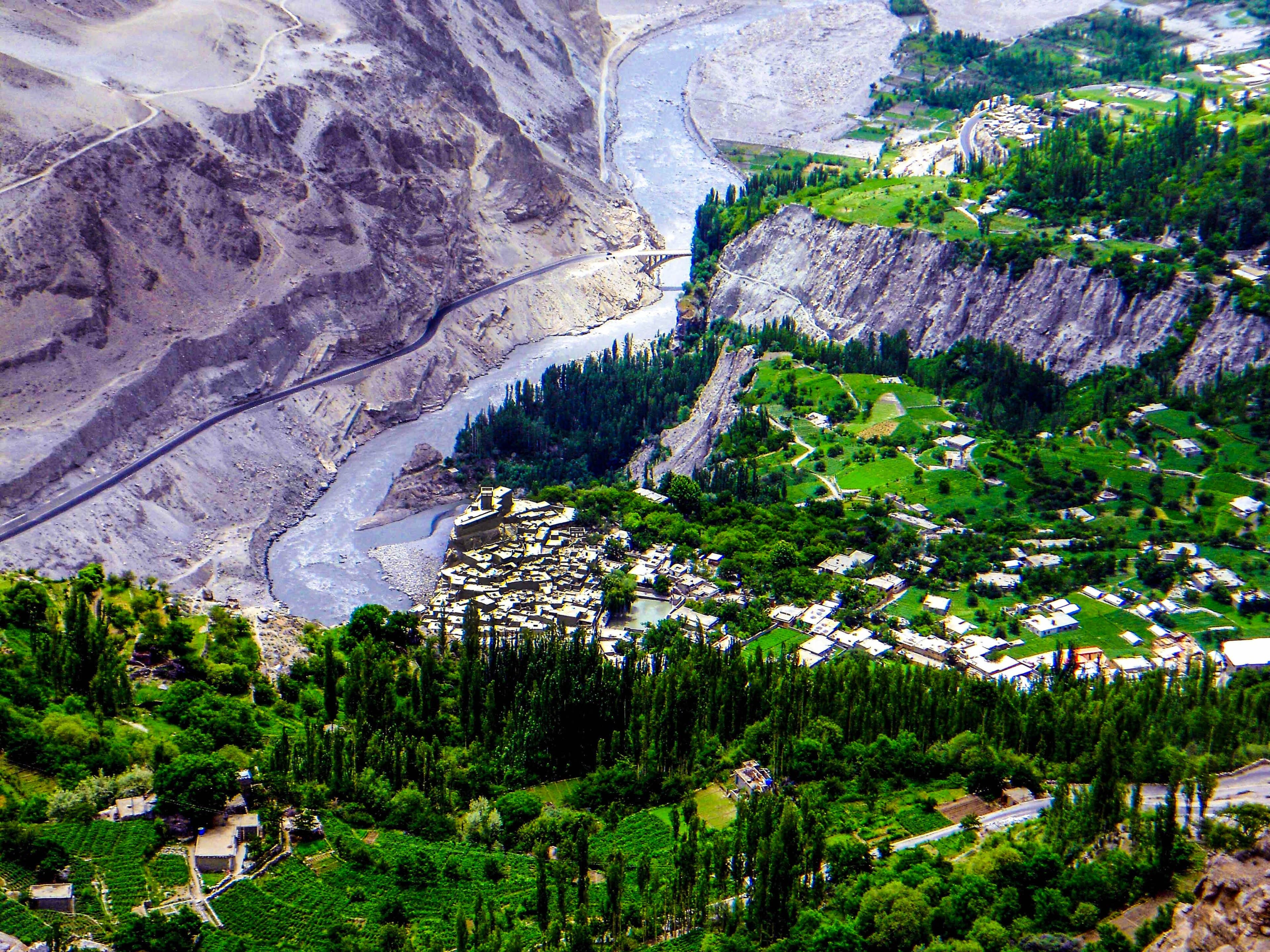
valley · 2,850 m
Eagle's Nest (Duikar)
The viewpoint where all of Hunza's giants line up at golden hour
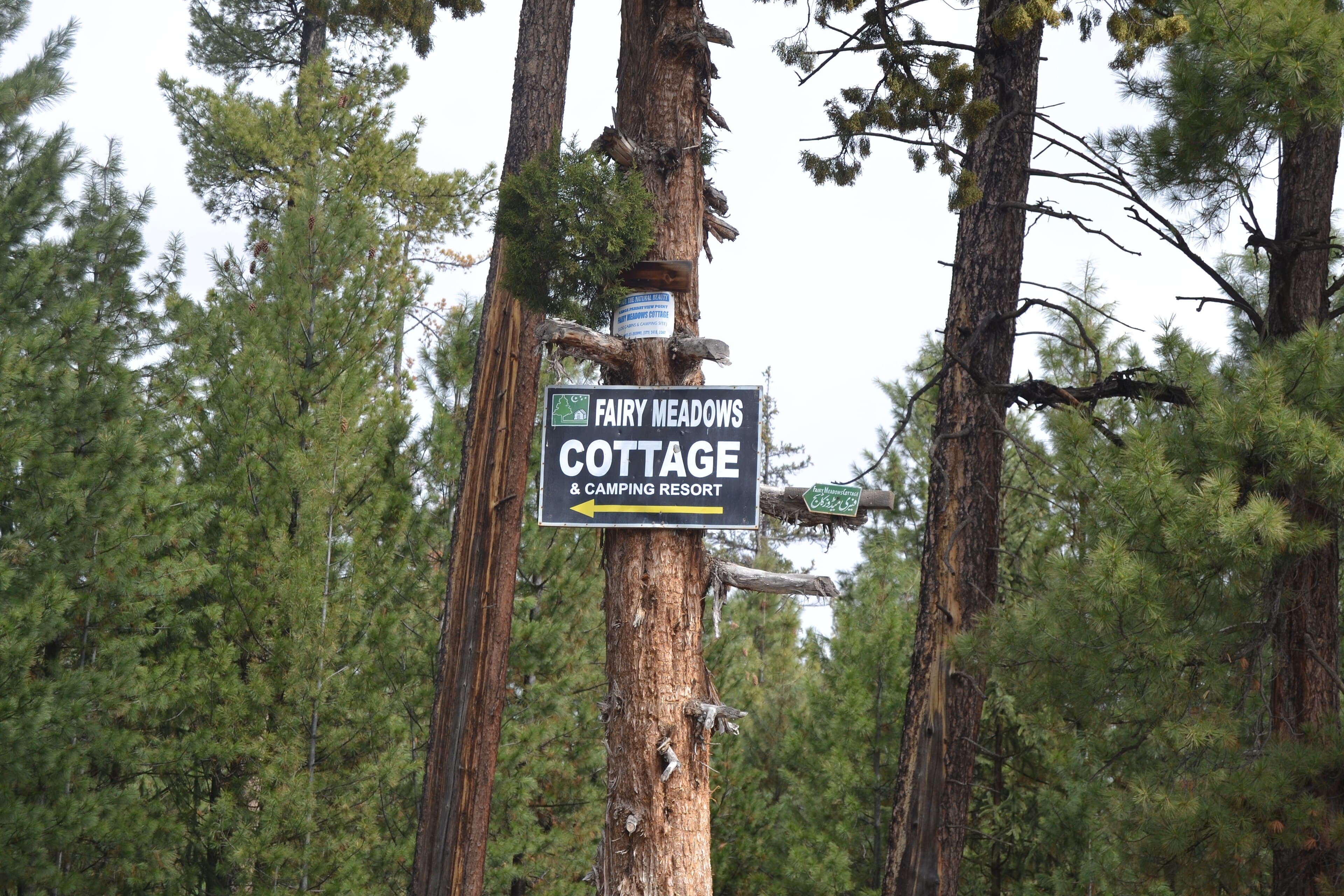
bridge
Raikot Bridge Jeep Track
One of the world's most dramatic mountain roads
Adventure — frequently asked questions
Is the Hussaini Suspension Bridge safe to cross?
Yes, with care. The bridge is maintained by the local community, who use it daily, and its cables are solid — the thrill comes from the spacing of the planks and the height, not structural risk. Cross slowly, hold the side cables, and skip it in high winds.
Can you go paragliding in Hunza?
Yes — tandem paragliding operates seasonally over the Hunza Valley with experienced pilots, generally from late spring to autumn when thermals and weather allow. Flights are weather-dependent, so build a spare day into your itinerary around it.
How fit do I need to be for an adventure tour?
Moderate fitness is enough. The toughest standard day is the 5 km, 600 m-gain hike to Fairy Meadows; everything else — bridges, glacier walks, jeep tracks, viewpoints — involves a few hours of walking at most. No climbing or technical skills are required.
When is the best time for camping and stargazing at Fairy Meadows?
June and September typically offer the clearest skies; July and August are greener but cloudier. The track is open roughly May to October. Aim for nights around the new moon for the darkest skies and the brightest Milky Way over Nanga Parbat.
Start the conversation
Let's design your adventure itinerary
Tell us your dates, interests and pace — we'll design a private itinerary with local guides, reliable 4x4s and hand-picked stays.